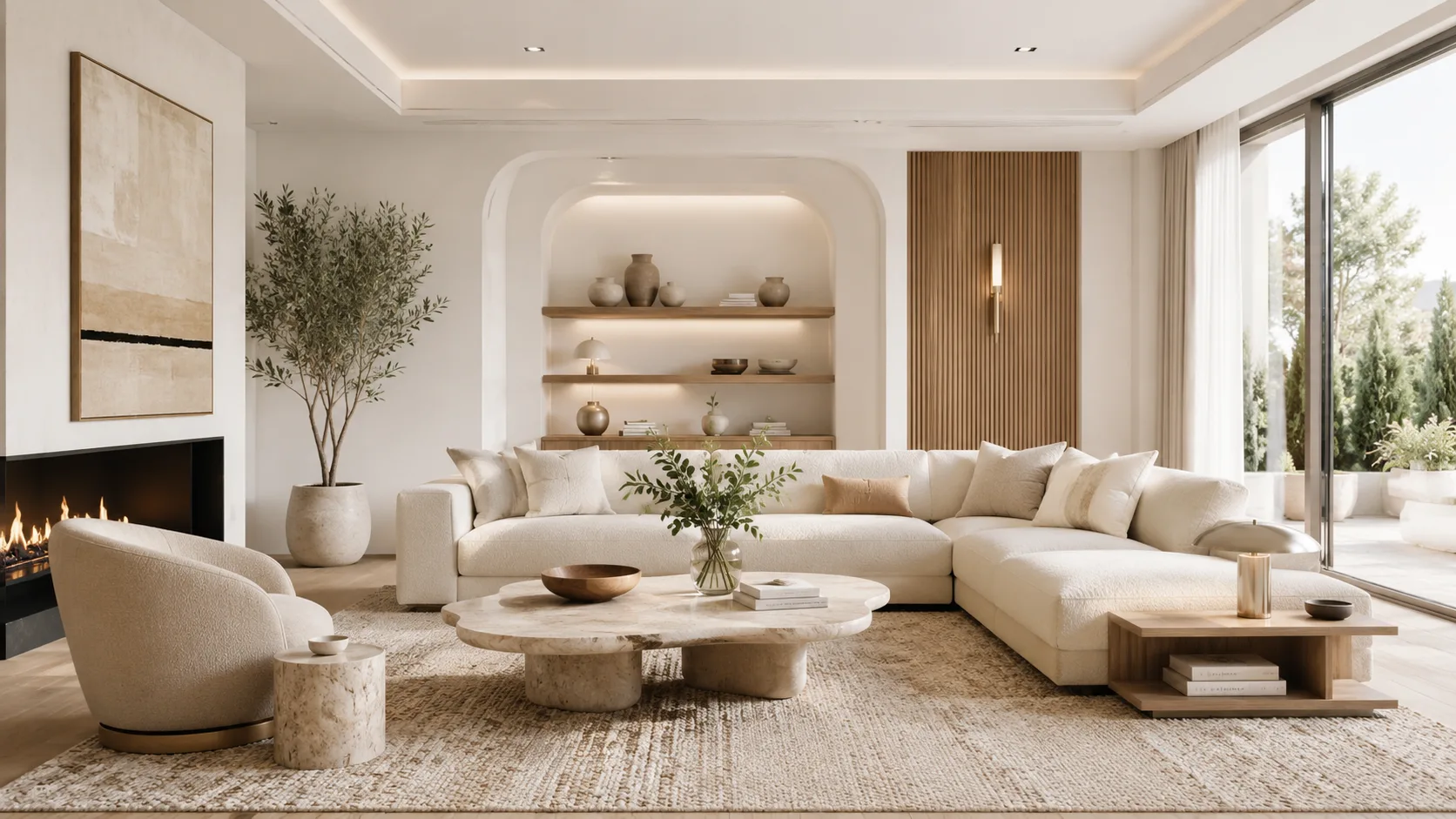
TL;DR: A perfectly curated luxury living room relies on the balance of architectural focal points, bespoke materials, and layered lighting to create an atmosphere of effortless sophistication. High-end design prioritizes the quality of individual pieces and their spatial harmony over mere opulence or cluttered displays of wealth.
Introduction
Creating a high-end living environment requires much more than simply purchasing expensive furniture from a showroom floor. True luxury lives in the details of curation, where every object and texture serves a specific purpose within the broader narrative of the home. This guide examines the fundamental building blocks that transform a standard sitting area into a sophisticated sanctuary of comfort and style. Readers will learn how to identify quality, manage spatial flow, and select materials that stand the test of time while reflecting a personal sense of refinement.
Establishing a Commanding Architectural Focal Point
Every luxury room needs a primary anchor that captures the eye and dictates the scale of the surrounding decor. In many prestigious homes, this anchor is often an architectural feature such as a floor-to-ceiling fireplace clad in book-matched Calacatta marble or a massive window framing a manicured landscape. The focal point serves as the starting logic for the rest of the layout, ensuring that the room feels grounded rather than drifting without a clear center of gravity.
When a room lacks a natural architectural highlight, designers often create one through the use of oversized fine art or a bespoke cabinetry installation. A common mistake involves allowing the television to become the unintended king of the space, which often strips away the sophisticated atmosphere. Instead, placing a significant piece of sculpture or a rare antique at the room’s heart establishes a tone of intellectual and aesthetic depth from the moment one enters.
Choosing the Right Anchor for Your Layout
Selecting an anchor depends heavily on the existing bones of the property and the lifestyle of the residents. If the room features high ceilings, a vertical element like a grand chimney breast or a hanging art installation can emphasize the volume of the space. For smaller, more intimate luxury rooms, the focal point might be a low-slung, artisan-crafted coffee table made from rare petrified wood or a hand-poured bronze base.
The second-order effect of a strong focal point is that it simplifies all subsequent decorating decisions. Once the primary star of the room is established, every other piece of furniture acts as a supporting character, preventing visual competition that can make a space feel frantic. Experts often look for pieces that possess a certain weight or presence, ensuring the room feels permanent and carefully considered rather than temporary or trendy.
The Subtle Power of Textural Layering and Materiality
Luxury is a tactile experience as much as a visual one, and the most successful rooms utilize a rich palette of materials to create a sense of physical comfort. A room filled with only hard surfaces like polished stone and glass feels cold and uninviting, regardless of the price tag. By introducing various textures such as silk-wrapped wall panels, mohair velvet upholstery, and hand-knotted wool rugs, a designer adds layers of warmth that invite guests to linger.
Contrast plays a vital role in this process of material selection. Pairing the cool, smooth surface of a travertine plinth with the soft, nubby texture of a bouclé sofa creates a sensory tension that feels modern and expensive. These interactions between light and shadow on different surfaces give the room a three-dimensional quality that flat, monochromatic spaces often lack.
Selecting High-End Fabrics for Longevity
When selecting textiles for a primary living space, the origin and weave of the fabric matter more than the pattern itself. Natural fibers like Belgian linen, heavy silks, and high-grade leathers develop a beautiful patina over time, which is a hallmark of authentic luxury. These materials breathe better and feel more substantial than synthetic alternatives, contributing to the overall health and comfort of the living environment.
Consider the way light interacts with a fabric’s pile throughout the day. A velvet sofa might appear deep and moody in the evening but vibrant and shimmering under morning sunlight. This dynamic quality ensures that the room never feels static. Expert curators often choose fabrics that offer a balance between durability and elegance, ensuring the furniture can be used and enjoyed rather than just admired from a distance.
Mastering the Three Layers of Architectural Lighting
Lighting is frequently the most overlooked element of high-end design, yet it has the greatest impact on the final mood of the space. A perfectly curated room avoids the harshness of a single overhead source, opting instead for a sophisticated system of ambient, task, and accent lighting. This approach allows the homeowner to adjust the atmosphere according to the time of day or the specific social occasion.
Ambient lighting provides the general glow that makes the room usable, but the real magic happens with accent lighting. By using low-voltage spotlights to highlight artwork or placing small lamps inside bookshelves, you draw the eye to the room’s most interesting features. This technique creates a sense of mystery and depth, making the boundaries of the room feel more expansive than they actually are.
Integrating Discrete Technology and Dimmers
Modern luxury requires a level of control that only a centralized dimming system can provide. Being able to transition the room from a bright, energetic morning setting to a warm, candle-lit evening glow at the touch of a button is essential. Discrete fixtures that are recessed into the ceiling or hidden behind architectural moldings keep the focus on the light itself rather than the bulky equipment producing it.
Table and floor lamps should be treated as functional sculptures. A lamp base carved from solid alabaster or hand-blown Murano glass adds a layer of artisanal craftsmanship even when the light is turned off. The color temperature of the bulbs also plays a role, with warm tones generally preferred for living spaces to enhance the natural beauty of wood and stone finishes.
Furniture Geometry and the Psychology of Conversation
A luxury living room is first and foremost a social space, and its layout should reflect the art of conversation. Instead of pushing furniture against the walls, designers create floating arrangements that encourage people to face one another. This spatial planning requires a deep understanding of ergonomics and the way humans move through a room, ensuring there is enough space to walk comfortably between pieces without feeling cramped.
The geometry of the furniture should also provide a mix of shapes to keep the eye moving. If the room is dominated by a long, rectangular sofa, introducing a pair of curved club chairs or a circular ottoman breaks up the linear monotony. This variety creates a more organic feel that mimics the natural world, making the space feel more relaxed despite its high-end pedigree.
Prioritizing Comfort and Proportional Scale
Scale is perhaps the most difficult element to master in interior design. A massive sectional sofa in a small room feels suffocating, while a tiny coffee table in a grand hall looks like an afterthought. Curating a space involves measuring the volume of the room and selecting pieces that fill it appropriately, leaving enough negative space for the architecture to breathe.
Comfort should never be sacrificed for the sake of a specific aesthetic. A chair can be a masterpiece of mid-century design, but if it is uncomfortable to sit in for an hour, it fails its primary purpose. Luxury buyers increasingly look for “quiet luxury,” where the quality of the internal padding, the pitch of the seat back, and the softness of the cushions are just as important as the external appearance.
The Role of Bespoke Joinery and Custom Storage
Nothing ruins the clean lines of a curated room faster than clutter and exposed electronics. High-end living rooms solve this problem through the use of bespoke joinery that integrates storage directly into the walls. Custom-built shelving units can be designed to house extensive book collections while hiding audio-visual equipment behind integrated panels or decorative screens.
These custom installations allow for a level of personalization that off-the-shelf furniture cannot match. For example, a designer might use a specific exotic wood veneer that matches the grain of the flooring, creating a unified look that feels intentional and permanent. This level of detail signifies that the room was built around the needs of the owner rather than simply being filled with objects after the fact.
Designing for Function and Hidden Elegance
Bespoke cabinetry also provides an opportunity to incorporate unique details like integrated LED lighting inside display niches or leather-lined drawers for storing remote controls. These small touches represent the peak of luxury, as they are often only visible to the person living in the space. It is a form of private luxury that focuses on the daily experience of the inhabitant.
When planning custom storage, it is important to think about the second-order effects of the design. How will the doors open? Is there a soft-close mechanism that operates silently? Does the hardware feel heavy and cool to the touch? These sensory details confirm the quality of the construction and contribute to the overall feeling of calm and order within the home.
Incorporating Fine Art and Global Artisanship
A curated room should tell the story of the person who lives there, and nothing accomplishes this better than a collection of fine art and artisanal objects. Moving beyond mass-produced decor, luxury spaces often feature original paintings, limited-edition photography, or handcrafted ceramics sourced from around the world. These pieces add a layer of soul and history that makes a room feel lived-in rather than staged.
The placement of art requires a keen eye for balance and sightlines. A large-scale canvas placed at the end of a long hallway can draw a visitor into the living room, while a collection of smaller sculptures on a mantlepiece provides a reason to stop and look closer. Art should not just match the color of the pillows; it should provide a point of intellectual interest or emotional resonance.
Mixing Periods and Styles with Confidence
The most sophisticated rooms often mix different eras and origins with surprising results. An 18th-century French console table can look remarkably modern when placed underneath a piece of bold, abstract expressionist art. This juxtaposition of old and new suggests that the owner is a person of diverse tastes who values quality regardless of its age.
Success in mixing styles comes from finding a common thread, such as a similar wood tone or a recurring metallic finish. When items from different periods share a certain level of craftsmanship, they naturally belong together. This approach to curation prevents the room from looking like a period piece or a furniture catalog, giving it a timeless quality that transcends current interior design trends.
The Integration of Life and Biophilic Elements
A truly luxury room must feel alive, which is why the inclusion of greenery and natural elements is so vital. Large-scale indoor trees or expertly arranged floral displays bring a sense of freshness and vitality that artificial materials cannot replicate. Beyond the visual appeal, plants help to soften the hard edges of a room and can even improve the air quality and acoustic properties of the space.
Biophilic design also includes the use of organic materials like unpolished stone, raw timber, and hand-woven grasses. These elements ground the room in the natural world, providing a necessary counterpoint to the high-tech systems and polished surfaces of a modern luxury home. It creates a sanctuary-like atmosphere where one can escape the noise of the outside world.
Creating a Connection to the Outdoors
In properties where the living room opens onto a terrace or garden, the interior design should seek to blur the lines between inside and out. Using the same flooring material for both the living room and the outdoor patio creates a visual extension of the space. Large glass doors that slide away into hidden pockets allow the sounds and scents of the garden to become part of the indoor experience.
Consider a recent project in a coastal villa where the designer used a palette of sandy beiges and oceanic blues, mirroring the view from the expansive windows. By pulling colors and textures from the surrounding environment, the living room felt like a natural extension of its location. This level of contextual design is the ultimate luxury, as it makes the home feel perfectly rooted in its specific place on the earth.
Wrap Up
A perfectly curated luxury living room is the result of thousands of small, intentional decisions that prioritize quality, comfort, and personal expression. By focusing on architectural anchors, rich material textures, and a sophisticated lighting plan, you create a space that feels both grand and intimate. The most successful rooms are those that balance high-end craftsmanship with a lived-in soul, ensuring the environment remains timeless and inviting for years to come.
FAQs Section
What is the most important element in a luxury living room? The most important element is a clear architectural focal point that anchors the space and dictates the scale for all other furniture. This central feature ensures the room feels organized and intentional rather than cluttered or disjointed.
How do I make a luxury room feel warm and inviting? Achieving warmth requires layering different textures like wool, silk, and wood to provide a tactile experience that balances hard surfaces. Using a warm-toned, layered lighting plan instead of harsh overhead lights also significantly improves the atmosphere.
Should I follow current design trends for my living room? True luxury usually avoids fleeting trends in favor of timeless materials and bespoke pieces that reflect personal history. Mixing classic elements with high-quality contemporary furniture creates a sophisticated look that will not feel dated in a few years.